Thermal Insulation Design

Thermal Insulation Design

In the dynamic world of modern architecture, blending aesthetic appeal with functional efficiency is crucial. Key to this fusion are system doors and windows, where advanced thermal insulation design plays a pivotal role. This integration not only enhances the environmental performance of buildings but also aligns comfort with sustainability. Let's delve into the significance and features of thermal insulation in system doors and windows.

Thermal insulation design in system doors and windows is crucial for sustainable building practices. With technologies like thermal breaks, multi-chamber profiles, high-performance glazing, weather seals, and insulated spacers, these systems offer an optimal blend of energy efficiency, comfort, and environmental sustainability. As the demand for green building solutions grows, the role of thermally insulated doors and windows in modern architecture becomes increasingly important.

Why Thermal Insulation Matters?

Energy Efficiency

thermally insulated system doors and windows are renowned for their ability to boost energy efficiency. By minimising heat transfer between indoor and outdoor environments, these systems reduce the need for artificial heating and cooling. This results in significant energy savings and lower utility costs, benefiting both the economy and the environment.

Comfort and Indoor Climate Control

thermal insulation ensures consistent indoor temperatures, shielding occupants from external weather fluctuations. This creates a comfortable living and working environment year-round.

Environmental Stewardship

in an era of increasing environmental awareness, thermally insulated doors and windows are essential. They reduce reliance on HVAC systems, lowering carbon footprints and promoting sustainability.

Thermal Break Technology

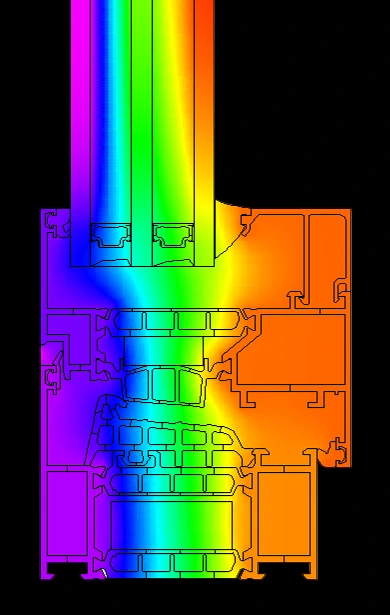
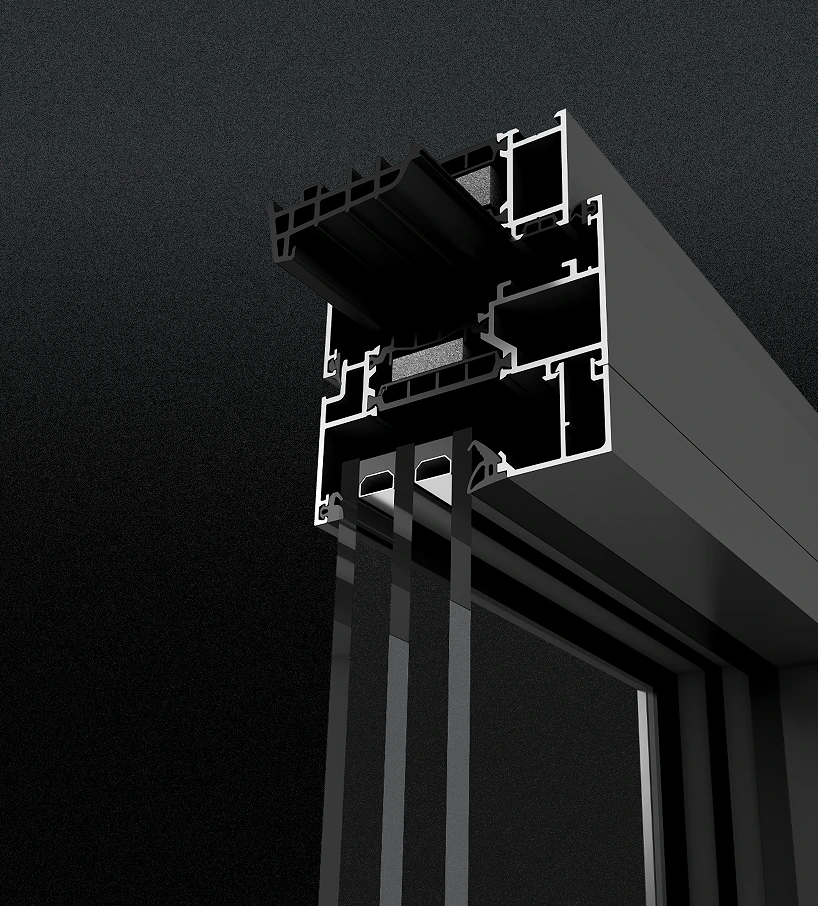
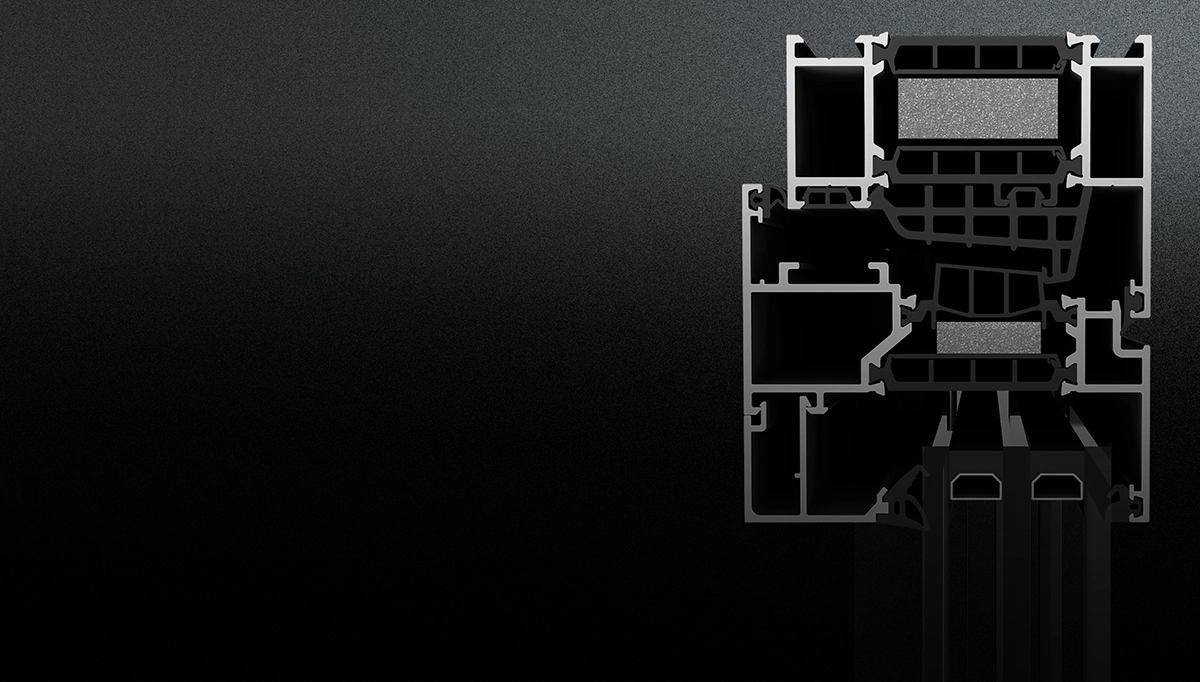
We are using materials with low thermal conductivity, like PA66GF25 insulation strip, this features creates a barrier between interior and exterior Aluminium profiles, significantly reducing heat transfer.
Thermal Break Technology

Profiles Structures Design

At CIVRO, the strategics placement of isothermal cavities within the profiles minimises thermal bridges, ensuring optimal thermal insulation. Advanced thermal design includes scientific multi-chamber profiles within the frames, which trap air and act as natural insulators, enhancing overall thermal performances and efficiency.
Profiles Structures Design

High-performance Thermal Insulation Glazing

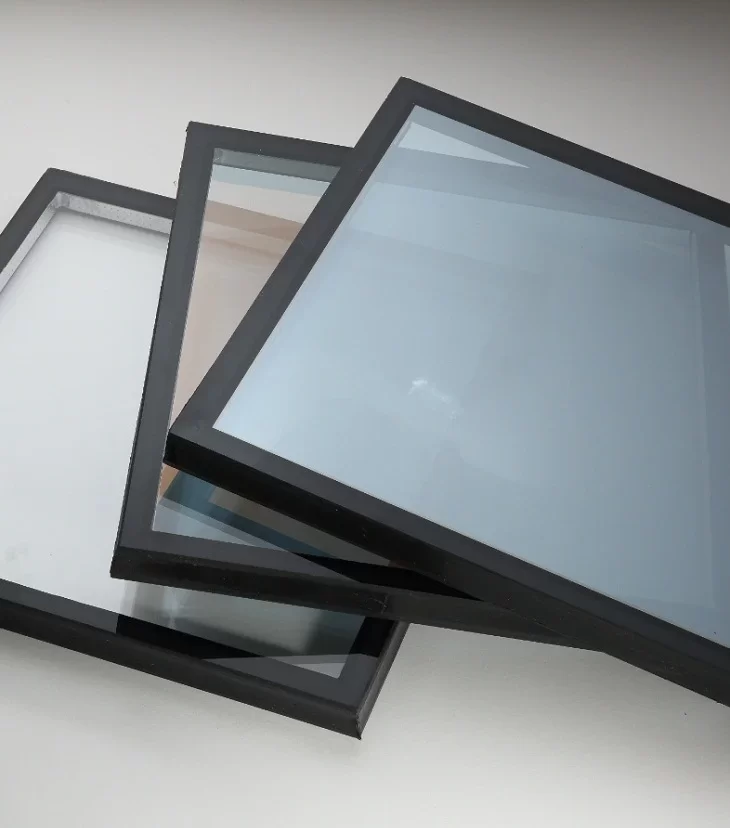
For better thermal insulation effect, we employ glazing units with low-emissivity (Low-E) coating and inert gases like argon or krypton offer superior insulation. They reflect heat back into the room and minimise heat loss, providing excellent protection against the elements. While thermal insulation glazing comes with a higher price tag, it significantly reduces energy bills.

High-performance Thermal Insulation Glazing

Weather Seals

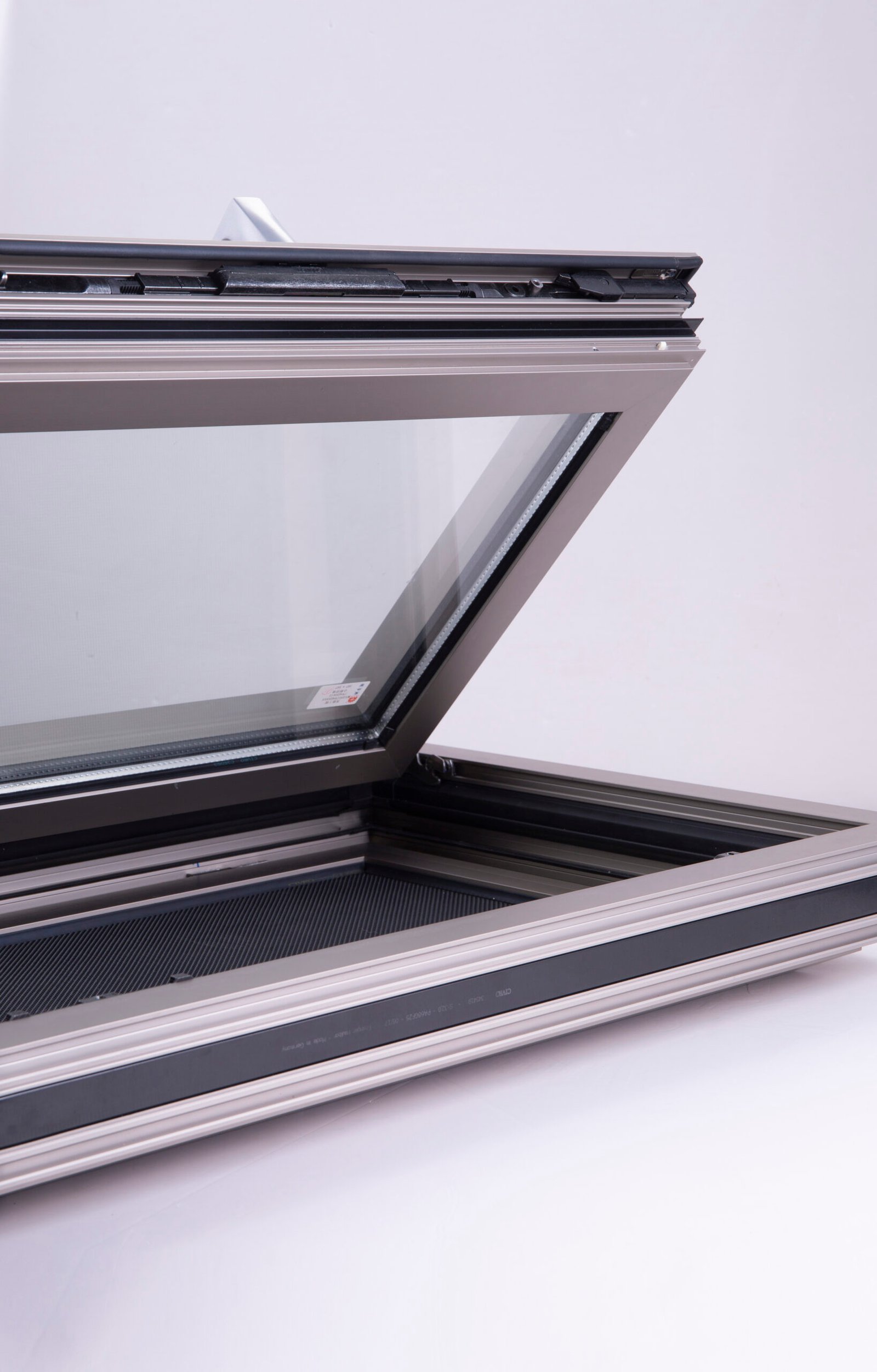
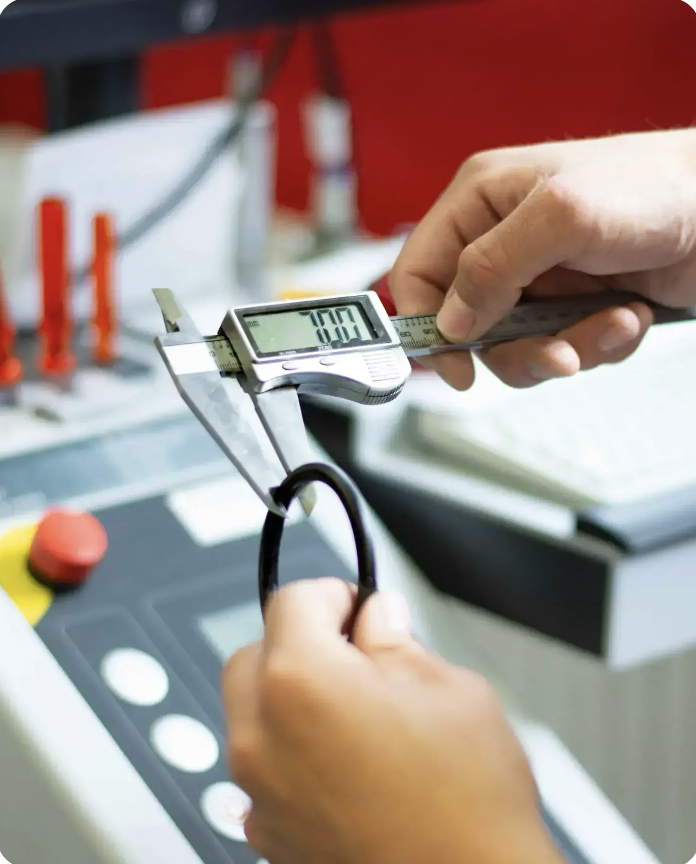
Effective weather sealing techniques, using premium gaskets and sealing strips, ensures systems doors and windows are airtight, further improving thermal efficiency.
Weather Seals

Insulated Spacers

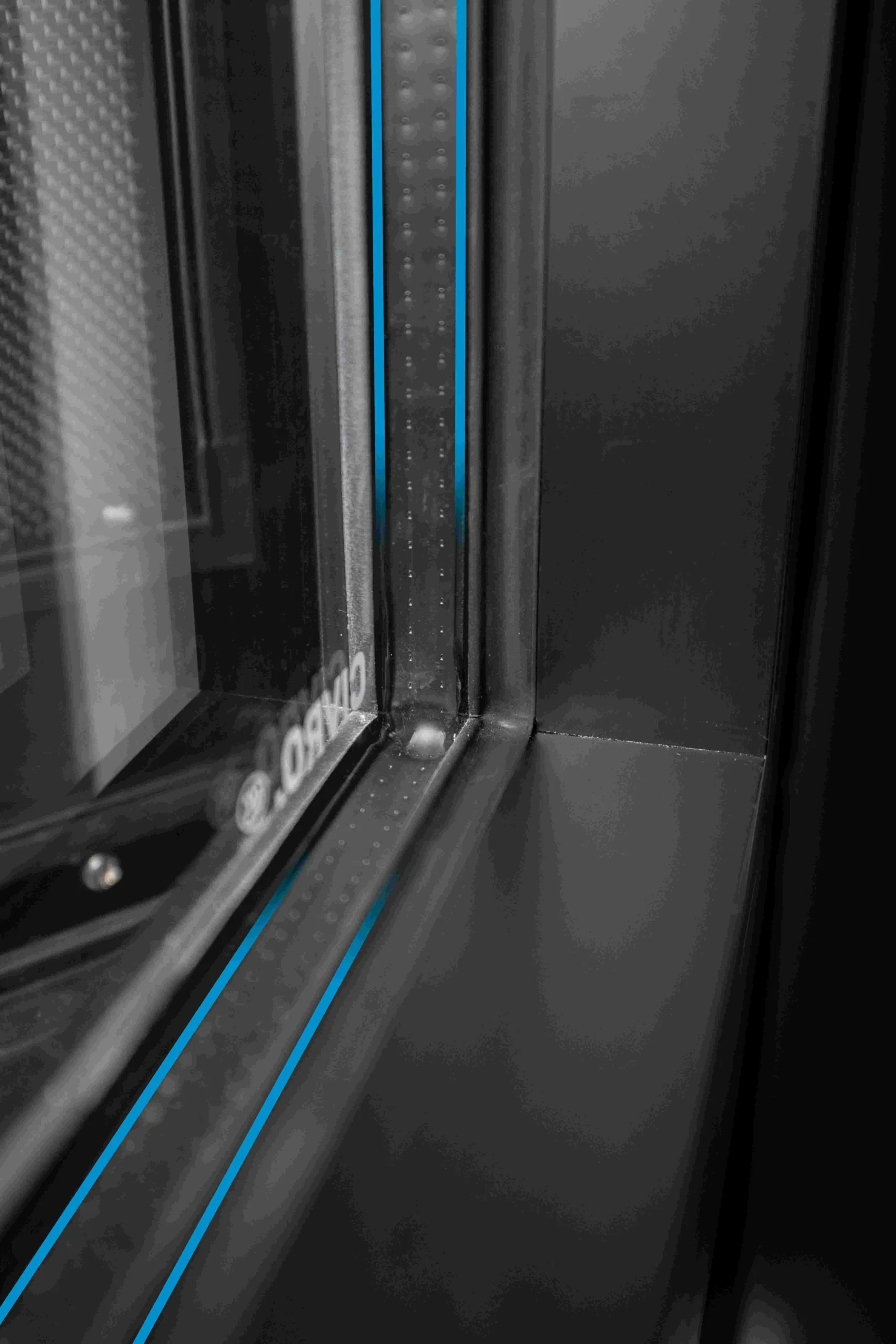
Insulated spacers in double or triple-glazed units maintain optimal distances between glass panes, reducing thermal bridging and enhancing the glazing unit's insulating properties. The thermal conductivity of traditional aluminium insulated spacers used in insulating glass units is approximately 1500 times higher than that of composite warms edge spaces (cold edge spacers) in insulating glass units to warms edge spacers made of composite materials can result in a temperature differences of over 7°C at the edge of the insulating glass and achieve energy savings of more that 5%. This upgrade can effectively reduce the overall windows U-value by 0.2 -0.4 W/m²K.
Insulated Spacers