Sealing Design

Sealing Design

In the realm of architectural design and construction, system doors and windows are integral components that contribute significantly to the overall performance and efficiency of a building. Among their various attributes, sealing design stands out as a crucial aspect that impacts both functionality and longevity.

By incorporating advanced materials, precision engineering, and customised solutions, these solutions not only enhance energy efficiency and occupant comfort but also provide superior sound isolation and weather resistance. Ultimately, a well-executed sealing design is indispensable for achieving optimal performance and long-term durability in architectural projects.

Why Sealing Design Matters

Enhanced Energy Efficiency

Proper sealing is essential for minimising thermal transfer between the interior and exterior environments. Effective seals reduce heat loss in winter and prevent heat gain in summer, thereby enhancing the energy efficiency of a building. This contributes to reduced heating and cooling costs and supports sustainability goals.

Improved Comfort

Well-designed seals help maintain a consistent indoor temperature and humidity level, enhancing occupant comfort. By preventing drafts and ensuring a tight closure, system doors and windows create a more stable and comfortable living or working environment.

Sound Isolation

High-quality sealing design plays a pivotal role in soundproofing. Effective seals prevent external noise from penetrating indoor spaces, thereby contributing to a quieter and more serene environment.

Weather Resistance

Sealing design is crucial for ensuring that doors and windows withstand adverse weather conditions. Proper seals prevent water ingress, reduce the risk of mold and mildew formation, and protect against wind-driven rain, thereby extending the lifespan of the system.

How Do We Make The Sealing Design More Effective?

Circumferential Sealing Systems

Circumferential Sealing Systems

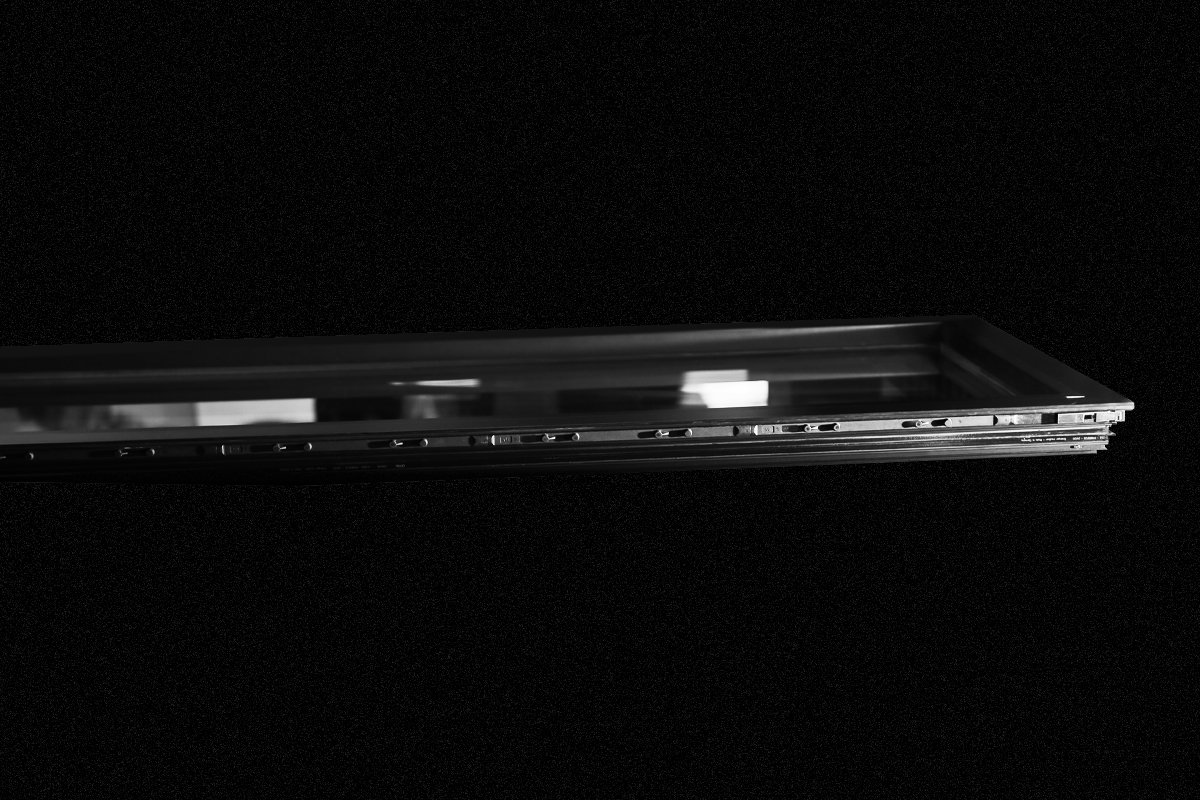
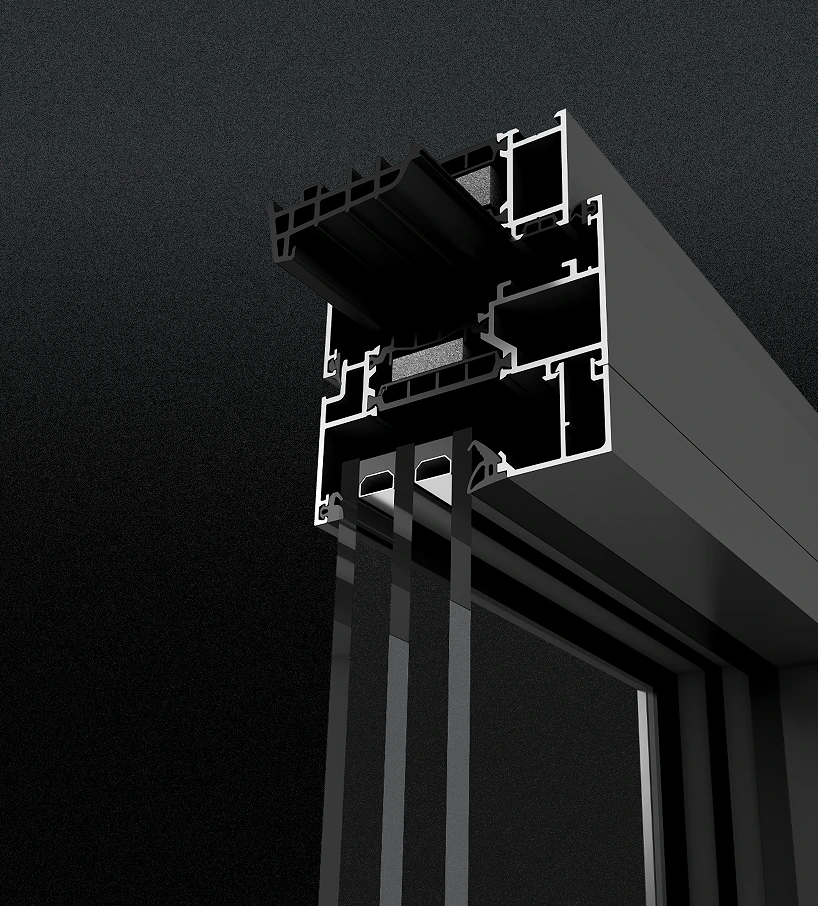
CIVRO windows systems incorporate circumferential sealing systems that enhance the overall tightness of the closure. The design distributes sealing pressure evenly across

High-quality Materials

High-quality Materials

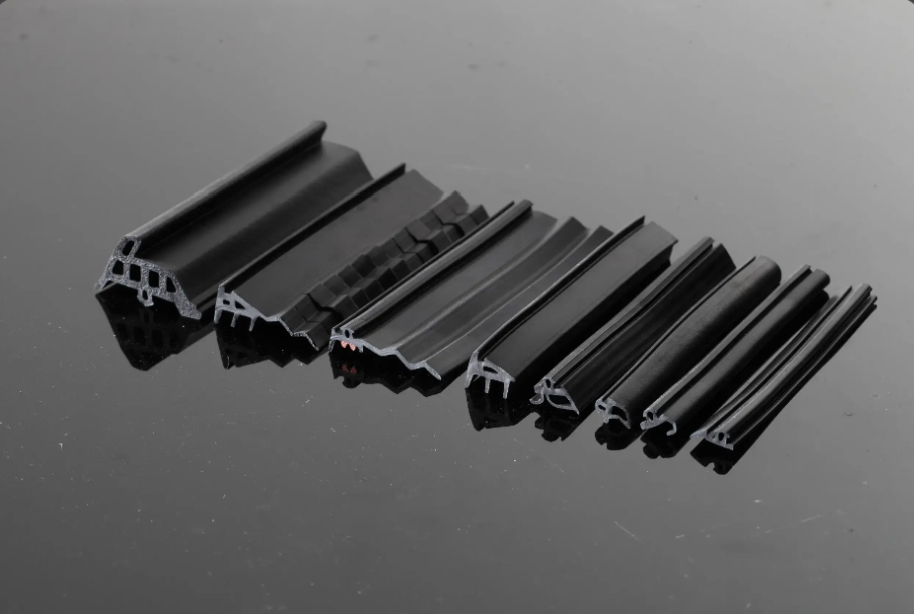
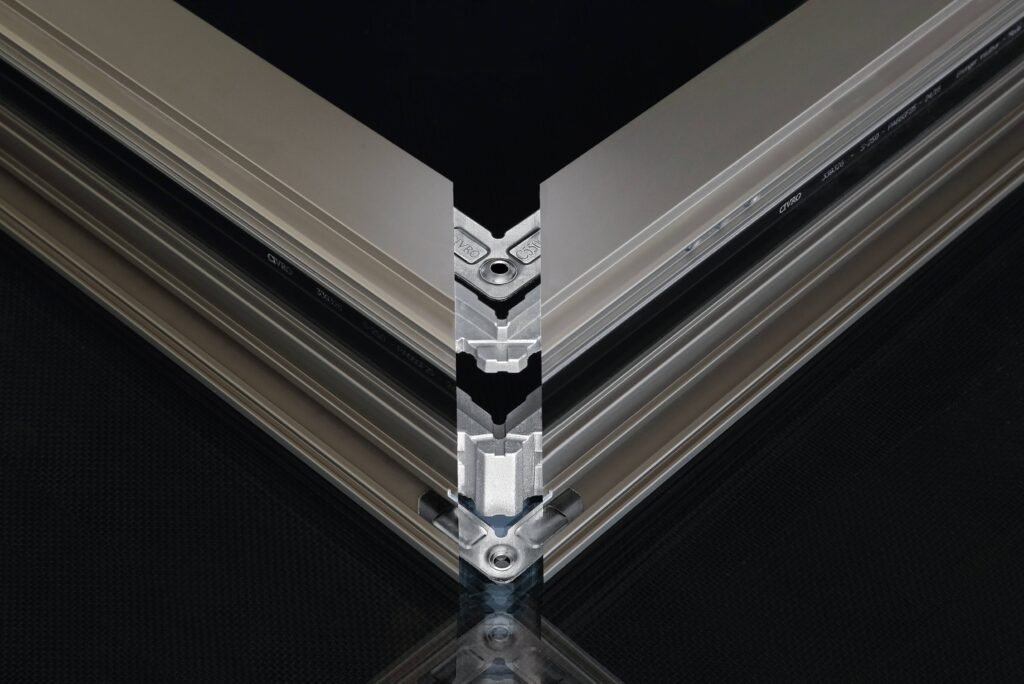
The choice of sealing materials, such as EPDM (Ethylene Propylene Diene Monomer) rubber, vulcanised corner piece and top-tier branded adhesive is critical. Even for gaskets made from EPDM materials, variations in material and manufacturing processes result in different sealing effects. CIVRO employs a more advance coex EPDM gaskets offers superior resilience, greater compression capacity, and enhanced resistance to deformation. These materials together offer excellent durability, flexibility, and resistance to environment factors, ensuring long - term effectiveness of the seals.
Structure Optimisation and Precision Engineering

Structure Optimisation and Precision Engineering

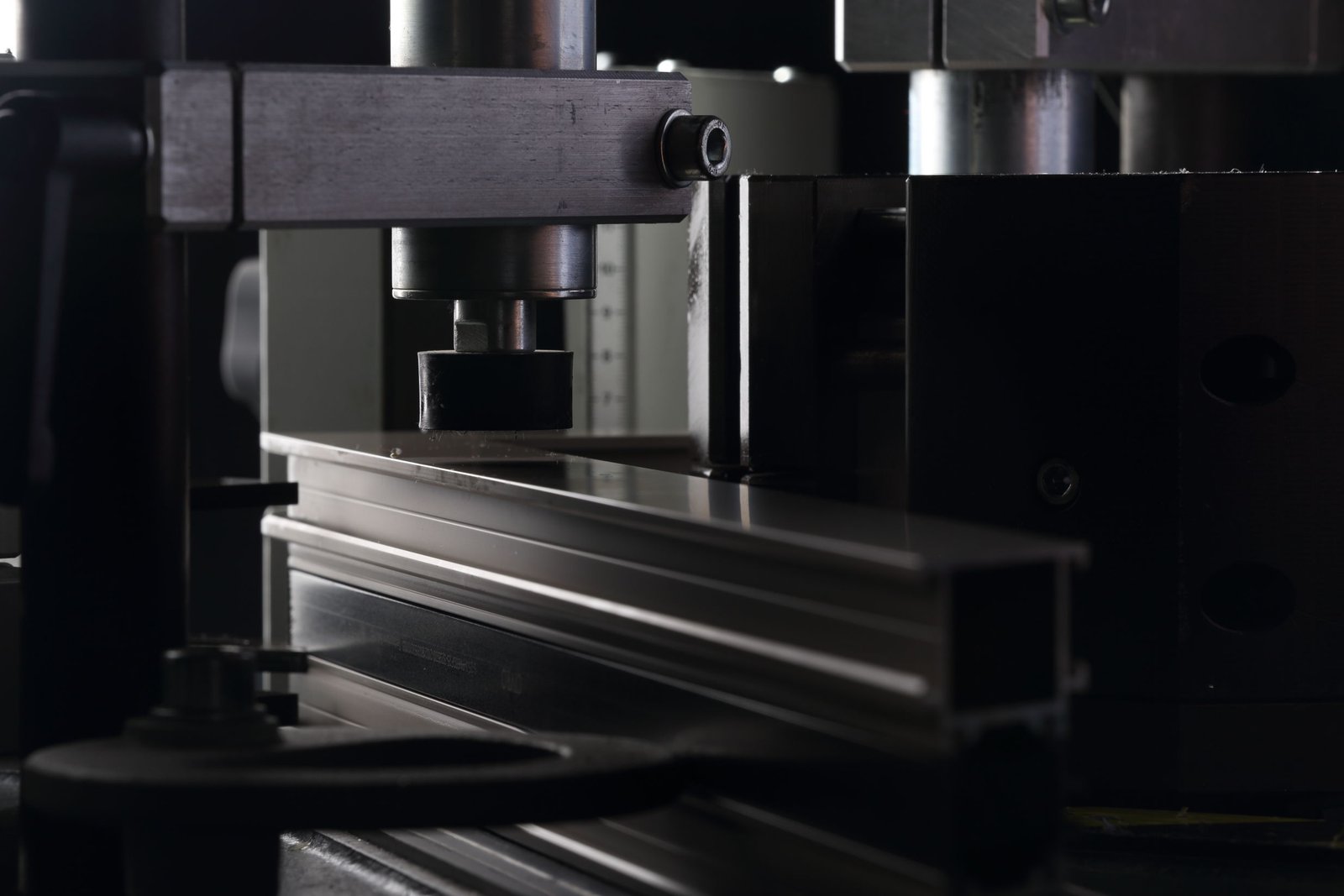
The sealing structure of doors and windows is not about having as many seals as possible, scientific optimisation of structural design is key. In addition to using double or triple sealing structure based on different systems functional preferences, CIVRO extensively employs T-shaped or duckbill-shaped sealing strips. It utilises longitudinal interlocking equal- pressure sealing technology and minimises the space of both sides of the equal-pressure chamber to ensure tight interlocking of the sealing strips and maintain a robust seals during use. Systems doors and windows are designed with precision to ensure that seal strips align perfectly with the frame and vent. This precision prevents gaps and ensures a seamless fit, enhancing overall performance.
Customised Solutions

Customised Solutions

Sealing designs can be tailored to meet specific requirements of different buildings. Customised gaskets and sealing strips allow for the adaptation of seals to various frame types, sizes, and operational mechanisms, ensuring optimal performance in diverse application.