There are countless window types, each with its own advantages and specific applications. When selecting windows, it’s essential to focus on your particular needs.
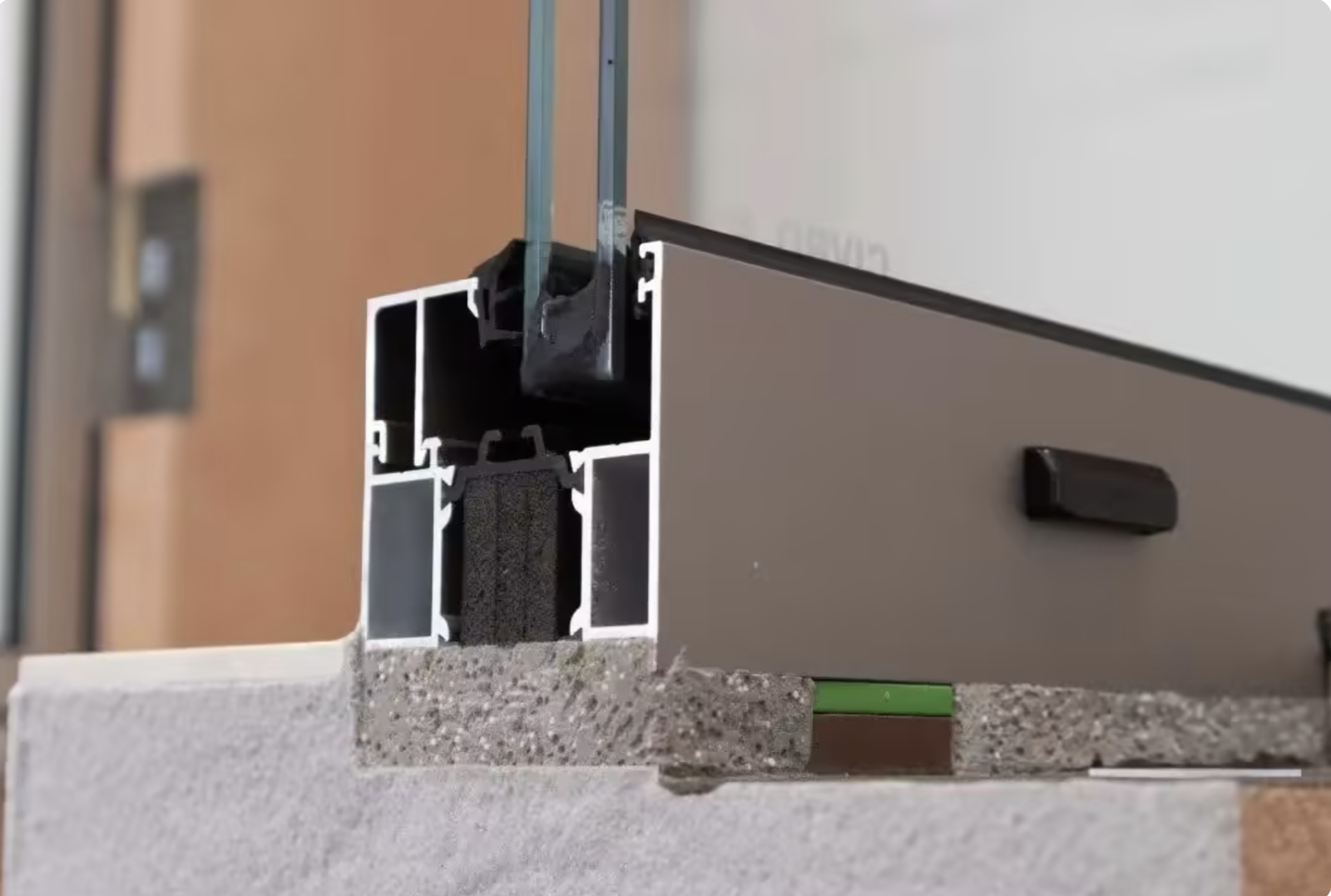
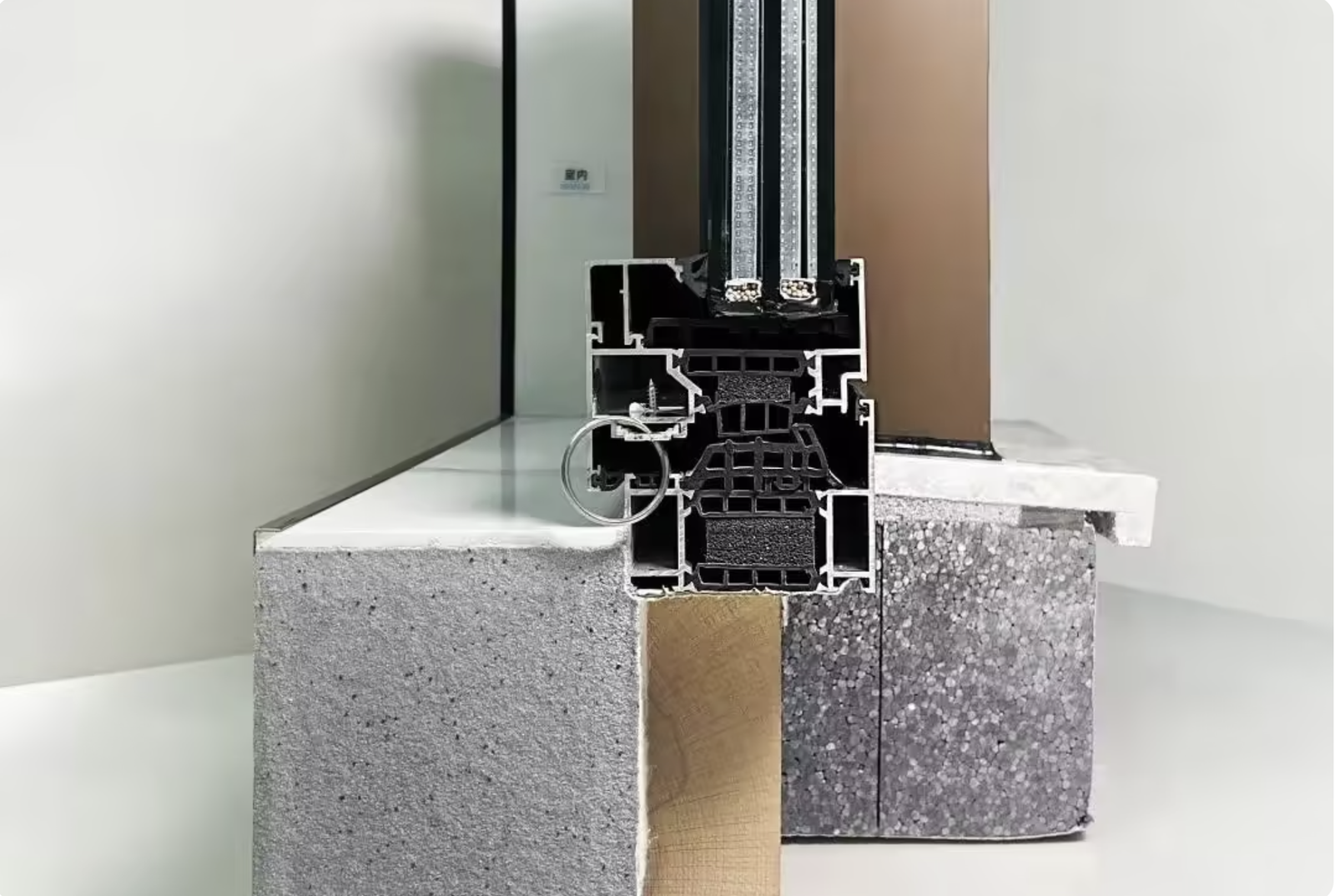
Firstly, prioritize choosing system windows. Non-thermal-break aluminum windows allow heat to transfer quickly through the aluminum frames, which are excellent conductors of heat. This leads to unwanted temperature fluctuations, causing cold in winter and heat in summer. Thermal-break aluminum windows perform better, but they still lack the systematization, structural design, material quality, and rigorous testing found in true system windows. In contrast, system windows are designed as integrated systems, ensuring optimal performance, safety, and comfort. Their design and compatibility with other components maximize reliability, durability, and energy efficiency.
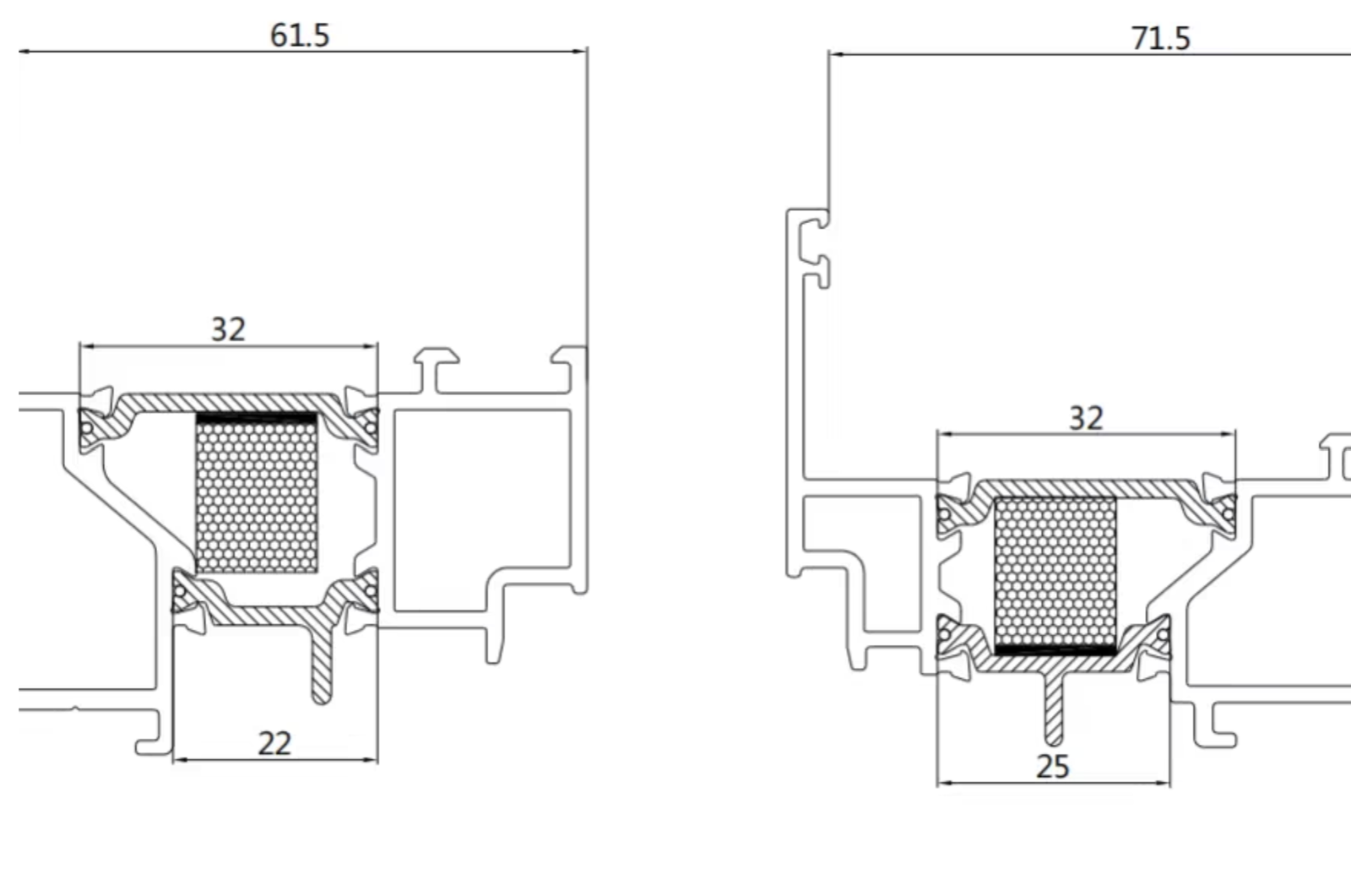
Generally speaking, for the same frame depth and configuration, inward-opening windows offer better thermal insulation compared to outward-opening and sliding windows. For example, the CIVRO 65 series casement windows have wider thermal breaks in inward-opening designs, reducing cold bridge effects and improving thermal insulation.
Next, consider the frame depth. The wider the frame, the better the overall performance. A wider frame allows for broader thermal breaks and larger glass pockets. For instance, CIVRO 80 series casement windows perform better than the 65 series in terms of insulation and other attributes.