7 Key Dimensions in High-End Window & Door Design — EP 6: Airtightness, Thermal Insulation & Acoustic Performance

بيان صحفي

7 Key Dimensions in High-End Window & Door Design — EP 6: Airtightness, Thermal Insulation & Acoustic Performance

يكتب

بيان صحفي

موقع

الصين
A premium window is far more than an architectural element - it is one of the building envelope's most critical performance components. Its ability to control air leakage, heat transfer and external noise directly affects occupant comfort, building energy efficiency and long-term sustainability. In Episode 6 of CIVRO's "7 Key Dimensions in High-End Window & Door Design" series, we examine the engineering principles behind three key performance indicators: airtightness, thermal insulation and acoustic performance. From profile design and glazing selection to manufacturing precision and sealing technology, every component contributes to how a window performs throughout its service life. Rather than focusing solely on specification values, this article explains how architects, developers and homeowners can make informed decisions based on climate, building type and project requirements.

Airtightness - The Foundation of Window Performance

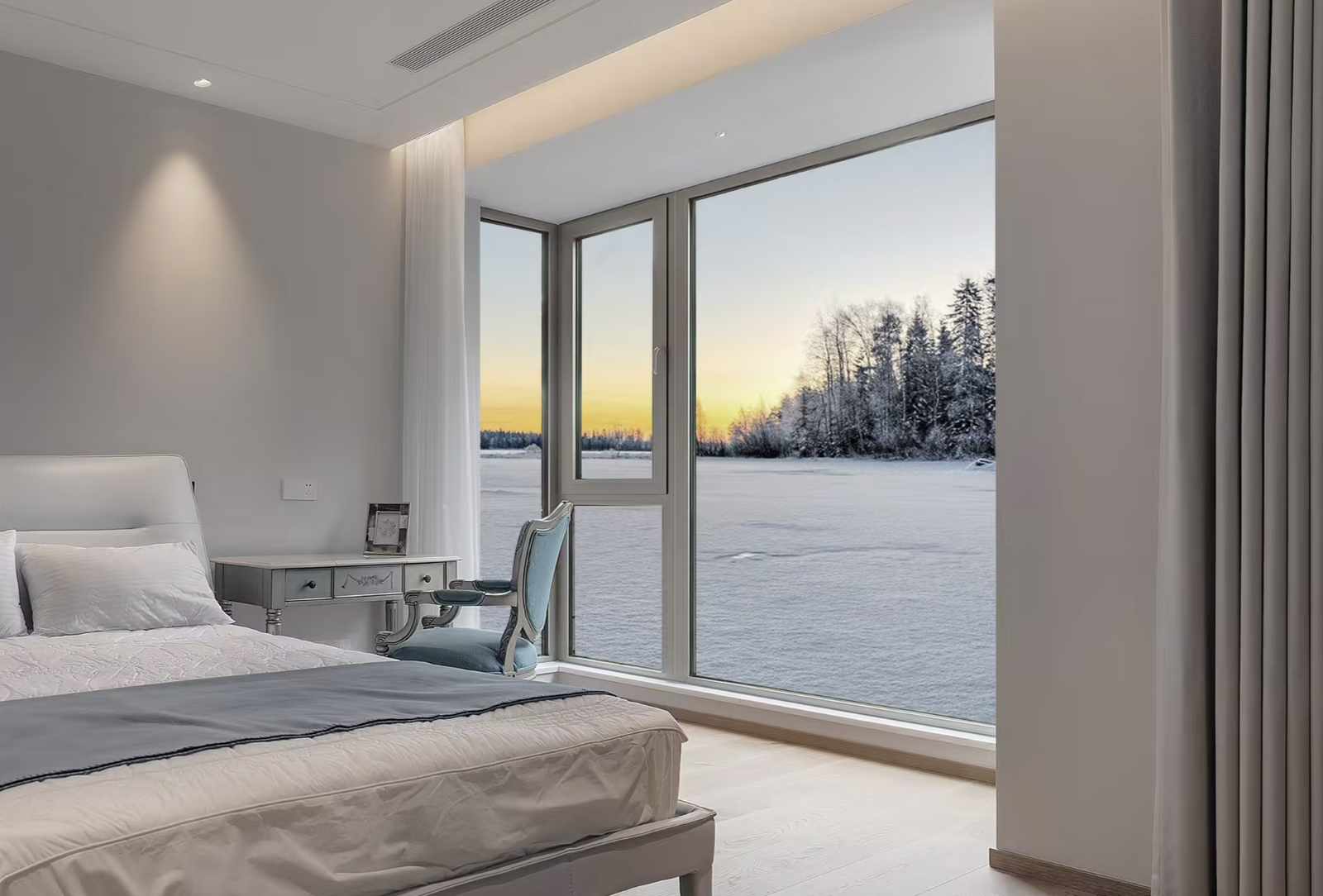
Among all window performance indicators, airtightness is arguably the most influential. Excellent airtightness not only reduces unwanted drafts but also improves thermal efficiency, acoustic insulation and condensation control. A window's airtight performance depends on several factors: Profile structural rigidity Corner joint integrity Gasket quality Locking point distribution Hardware precision Manufacturing accuracy Installation quality Even a high-performance glazing unit cannot compensate for poor sealing or inaccurate fabrication. At CIVRO, airtight performance begins during manufacturing. Our system windows are produced using: Precision corner crimping technology Premium EPDM sealing gaskets Imported multi-point locking systems High-precision CNC machining equipment These engineering details minimise air leakage while ensuring long-term sealing stability under repeated operation. For colder climates such as Northern Europe, Northern Japan and high-altitude regions, excellent airtightness becomes particularly important because uncontrolled air infiltration significantly increases heating demand and reduces indoor comfort.

Thermal Insulation Starts with the Entire Window System

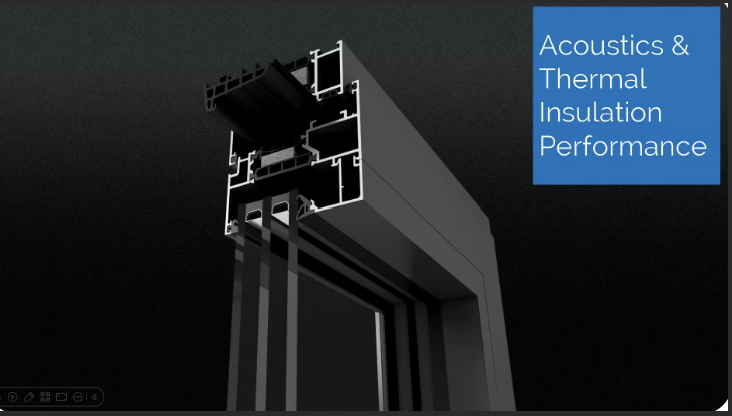
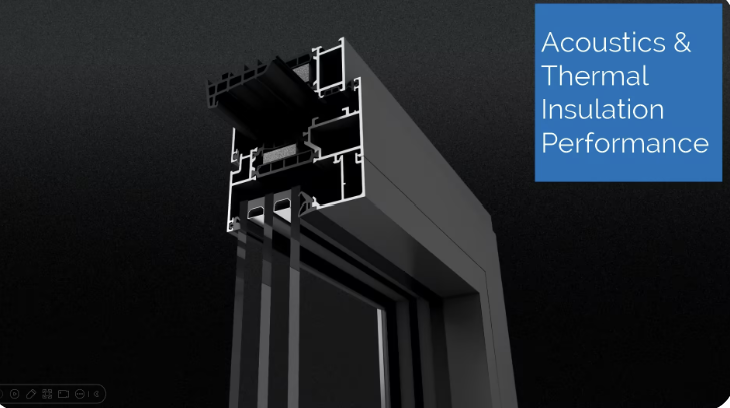
Many people assume thermal performance depends only on glass. In reality, heat transfer occurs through three primary pathways: Glass Aluminium frame Air leakage around the window True thermal performance is therefore determined by the complete window system rather than any individual component. CIVRO offers multiple thermally broken system platforms with different insulation chamber configurations, allowing designers to select the most appropriate solution according to local climate conditions. Larger thermal break cavities generally provide greater resistance to heat transfer, while optimized frame design reduces thermal bridging between interior and exterior aluminium components. When combined with suitable glazing configurations, the entire window achieves significantly improved U-values and indoor comfort.

Glass Selection Has the Greatest Impact on Thermal Performance

Among all window components, glazing contributes the largest proportion of overall thermal performance. Choosing the appropriate insulated glass configuration is often more important than increasing frame complexity. General performance ranking: Excellent Double insulating glass units (IGU) with Low-E coating Argon-filled double glazing Warm-edge spacer technology Higher Performance Double Low-E glazing Triple silver Low-E coatings where appropriate Optimized cavity spacing Modern Low-E coatings significantly reduce long-wave infrared heat transfer while maintaining high visible light transmission. For heating-dominated climates such as Northern Europe, insulated glazing with high-transmittance Low-E coatings helps admit valuable solar heat during winter while reflecting indoor heating energy back into the room. Conversely, for cooling-dominated regions such as Southeast Asia, the Middle East and Australia, solar-control Low-E glass reduces unwanted solar heat gain and lowers air-conditioning energy consumption. Selecting the appropriate Low-E coating should therefore be based on climate—not simply choosing the highest specification available.

Spacer Width Matters More Than Many Designers Realize

The insulated glass cavity also influences thermal performance. While larger cavities may appear advantageous, excessive spacing can actually reduce insulation efficiency due to increased internal air convection. Industry testing has shown that: Approximately 12 mm cavity spacing generally provides the optimum balance between insulation and convection control. Cavities exceeding 16 mm often produce diminishing thermal benefits. For most residential applications, a high-quality double insulating glass unit with a 12 mm cavity, warm-edge spacer and argon filling offers one of the most efficient performance-to-cost combinations.

Solar Control & Summer Comfort

Thermal insulation and solar control are not identical. A well-insulated window reduces heat transfer. A well-designed solar-control window prevents excessive solar radiation from entering the building in the first place. In hot climates, solar radiation passing through glazing becomes one of the largest contributors to indoor cooling loads. Once an appropriate window system has been selected, upgrading the glazing specification often delivers the greatest improvement in summer comfort. For projects requiring enhanced solar performance, CIVRO recommends premium offline Low-E glazing. Benefits include: Lower Solar Heat Gain Coefficient (SHGC) Improved indoor thermal comfort Reduced cooling energy consumption Multiple tint and visible light transmission options Long-term coating durability High-quality sputtered Low-E coatings can reduce the overall solar shading coefficient from approximately 0.80 to below 0.40, significantly decreasing solar heat entering the building while maintaining excellent daylight quality.

Triple Glazing Is Not Always the Best Solution

Triple glazing is often perceived as the highest-performance option. However, selecting glazing should always be based on climate, structural requirements and energy modelling. Compared with modern double-glazed Low-E units: Triple glazing significantly increases weight. Heavier glazing requires stronger hardware and larger structural profiles. Installation and transportation become more complex. Cost increases substantially. In many temperate and cooling-dominated climates, a high-quality double-glazed Low-E unit with argon gas and warm-edge spacers delivers comparable thermal performance with lower weight and greater operational efficiency. The highest specification is not always the most appropriate specification.

Acoustic Performance - Creating Quieter Living Spaces

Noise has become one of the defining challenges of modern urban living. Window acoustic performance depends on several interacting factors: Airtightness Glass thickness Asymmetrical glazing combinations Laminated acoustic interlayers Profile rigidity Hardware compression Installation quality Contrary to popular belief, simply increasing glass thickness produces only limited improvements. The most effective solutions combine: High airtightness Laminated acoustic glass Different glass thicknesses within the IGU Precision sealing systems For projects located near airports, railways or major roads, acoustic glazing should be specified as part of the complete façade strategy rather than as an isolated upgrade.

Understanding Window Condensation

Condensation is often misunderstood as a product defect. In reality, condensation depends on several environmental conditions: Outdoor temperature Indoor humidity Surface temperature Thermal conductivity of materials Indoor air circulation Ironically, high-performance airtight windows are sometimes more likely to experience interior condensation because they reduce natural air leakage. Common causes include: Drying clothes indoors Cooking Showering Indoor plants Insufficient ventilation during winter Condensation typically appears first: At glass edges Around frame corners Near thermal bridges In areas with limited indoor airflow Proper ventilation and humidity control remain the most effective methods for reducing condensation.

Better Performance Is About System Design

High-performance windows are not defined by a single specification. They result from the integration of: Precision engineering High-quality glazing Advanced sealing technology Thermally optimized profiles Professional manufacturing Correct installation Only when every component works together can a window deliver exceptional comfort, energy efficiency and long-term durability. That is the essence of system thinking in modern window design.

مقالات ذات صلة